

Structural cracks are fractures in a building’s walls, foundation, beams, or slabs that result from stress, movement, or structural failure. Unlike minor hairline cracks caused by plaster shrinkage, structural cracks often indicate deeper problems affecting the building’s integrity.
Common Causes of Structural Cracks in Buildings
1. Foundation Settlement
One of the leading causes of structural cracking is uneven foundation settlement. Over time, soil beneath a building may shift, compress, or erode.
Contributing Factors:
- Poor soil compaction
- Expansive clay soils
- Poor drainage
- Underground water movement
- Tree root intrusion
2. Soil Movement and Expansion
Certain soils expand when wet and shrink when dry. This movement creates repeated stress cycles on foundations and slabs, leading to cracking.
Seasonal moisture changes are a major contributor in areas with clay-heavy soil.
3. Thermal Expansion and Contraction
Buildings expand and contract with temperature changes. Without proper expansion joints, materials can crack under repeated stress.
This is common in:
- Concrete slabs
- Masonry walls
- External facades
4. Overloading of Structural Components
When a building carries more weight than originally designed (additional floors, heavy equipment, renovations), beams and columns may develop stress fractures.
Unauthorized structural modifications are a frequent cause of serious cracking.
5. Poor Construction Practices
Structural cracks can also result from:
- Low-quality construction materials
- Inadequate curing of concrete
- Improper reinforcement placement
- Weak mortar mix
Poor workmanship significantly increases long-term cracking risks.
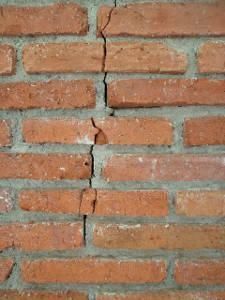
Warning Signs That Indicate Serious Structural Damage
Structural cracks may be dangerous if accompanied by:
- Uneven or sloping floors
- Doors and windows sticking
- Gaps between walls and ceilings
- Bowed walls
- Water intrusion
- Cracks that grow over time
If multiple symptoms appear together, consult a structural engineer immediately.
How to Repair Structural Cracks
Repair methods depend on the underlying cause.
1. Epoxy or Polyurethane Injection
Best for:
- Non-moving cracks
- Minor foundation fractures
This method seals cracks and restores some structural strength.
2. Underpinning
Used when foundation settlement is severe. Underpinning strengthens and stabilizes foundations by extending them deeper into stable soil layers.
Common underpinning methods:
- Helical piers
- Push piers
- Concrete piers
3. Carbon Fiber Reinforcement
Carbon fiber strips can strengthen bowed or cracked walls without major reconstruction.
4. Wall Anchors
Installed to stabilize walls that are bowing due to soil pressure.
5. Drainage Improvement
Many structural cracks result from poor drainage. Solutions include:
- Installing French drains
- Improving grading around the building
- Adding gutter extensions
- Waterproofing basement walls
Addressing moisture problems prevents recurrence.
When to Call a Structural Engineer
You should consult a licensed structural engineer if:
- Cracks are widening
- Cracks exceed 1/4 inch
- You notice horizontal cracking
- Structural elements appear misaligned
- You plan to sell the property
A professional assessment provides peace of mind and documentation for insurance or real estate transactions.